
Research
Our research examines stability and change in personality, including Big Five traits, self-esteem, and psychological well-being, as well as their conditions, processes, and consequences. Our work is guided by a person–environment transaction perspective: how individuals select, shape, and respond to their environments, how environments contribute to individual development, and how these processes unfold across different timescales. A central aim is to identify conditions and mechanisms of change, including how everyday experiences, psychological states, and social-contextual factors help explain personality development and psychological adjustment.
Across projects, we study the role of everyday experiences, life events, and contexts such as work, education, social relationships, parenthood, and regional or sociocultural environments in personality development, well-being, and adjustment.
Methodologically, we use a broad range of longitudinal and multimethod approaches, including intensive longitudinal designs with experience sampling and ambulatory assessment, questionnaire and narrative data, and large-scale longitudinal panel studies. Analytically, we draw on multilevel and longitudinal modeling approaches to connect short-term processes in daily life with longer-term developmental trajectories and broader social-contextual conditions.

Self-Esteem Development During the Transition from University to Work. Learn more
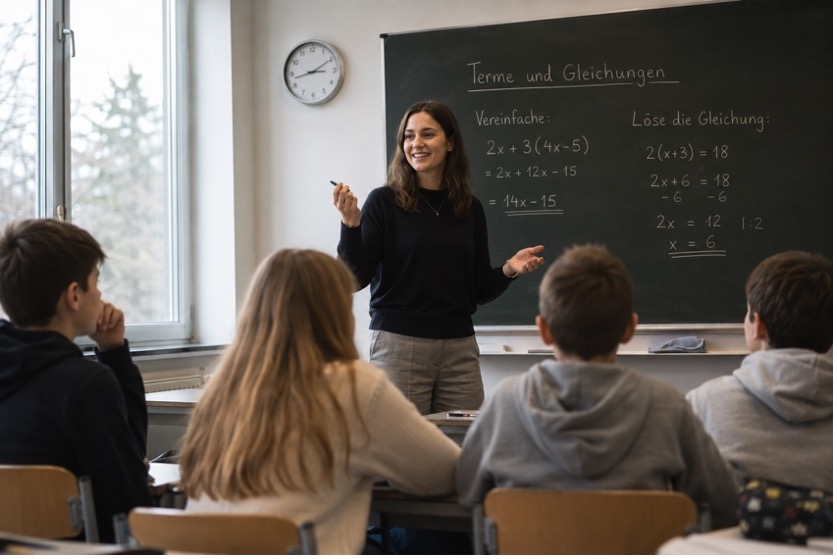
Individual Development of Student Teachers from the Beginning of Their Education to the Start of Their Teaching Careers. Learn more

Individual Variability in Well-Being During the Transition to Parenthood. Learn more

Regional Contexts and Their Role in Personality, Well-Being, and Health. Learn more

Evaluating a School-Based Reading Intervention for Children in Mecklenburg-Vorpommern. Learn more