
CBASP@YoungAge
Depression is also a significant illness in childhood and adolescence. Studies indicate that when depressive disorders manifest early, the course of the illness in adulthood is generally more severe and chronic. In adults with chronic depression, the majority of cases begin in childhood or adolescence. Therefore, early detection and appropriate treatment of depression in childhood and adolescence are of great clinical importance.
However, meta-analyses indicate that the effectiveness of psychotherapies for children and adolescents with depression is generally very low (e.g., g = 0.29 after therapy and g = 0.22 in follow-up; Weisz et al., 2017). Since CBASP has proven particularly effective in patients who have experienced childhood maltreatment (neglect, abuse), it seems sensible to modify CBASP for children and adolescents exhibiting depressive symptoms and interpersonal problems in an age-specific manner.
To date, CBASP has not been used in studies for this age group, nor is there a published concept or manual. Therefore, CBASP is currently being modified as an individualized and modularized intervention for children and adolescents with depressive disorders and interpersonal problems. The six traditional, proven techniques of CBASP are adapted for different age groups (toddlers, elementary school children, adolescents, and those in the transition period of emerging adulthood). Since CBASP, as a primarily interpersonal therapy, places a special emphasis on relationship experiences with significant caregivers, it seems highly advisable to involve these caregivers directly in the therapy. In particular, an interpersonal Kiesler Circle training for parents and children aims to uncover and subsequently change reciprocal dysfunctional relationship dynamics between the parents and children involved. Since depression in these age groups is frequently accompanied by other comorbid disorders, established therapy modules from other methods (such as exposure techniques for comorbid anxiety disorders or skills training for unstable personality traits) are integrated modularly when indicated.
The CBASP@YoungAge concept is currently being tested in a pilot study within the framework of outpatient psychotherapy for children and adolescents (Dippel et al., 2022). This quasi-experimental feasibility study is being led by M.Sc. Nele Dippel, Prof. Eva-Lotta Brakemeier, and Prof. Hanna Christiansen (University of Marburg) and is being conducted in cooperation with Prof. Silvia Schneider (University of Bochum) and Prof. Tina In-Albon (University of Koblenz-Landau).
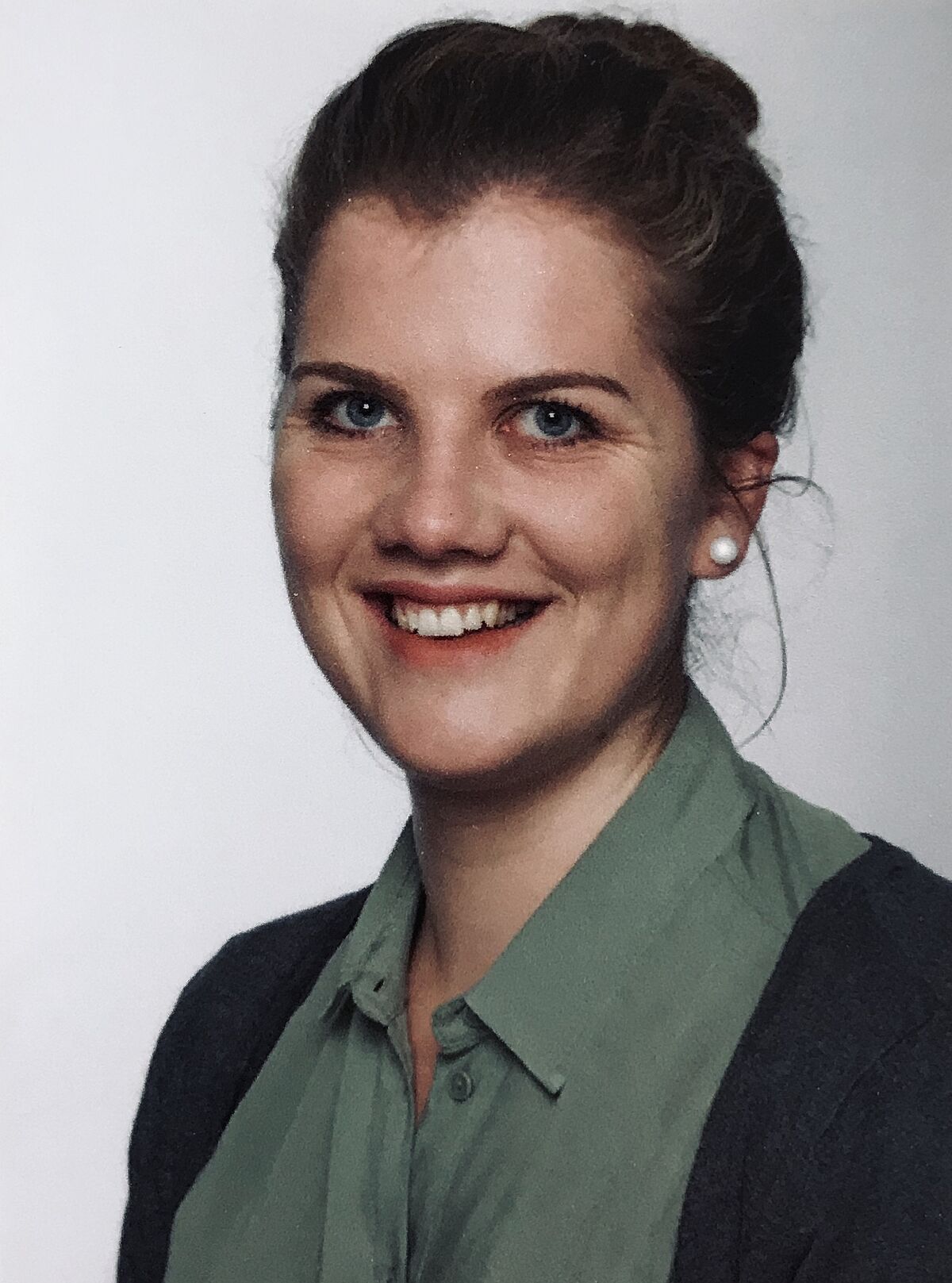
Contact persons

References
Dippel, N.; In-Albon, T.; Schneider, S.; Christiansen, H.; Brakemeier, E-L (2022): Correction: Investigating the feasibility and effectiveness of a modular treatment program for children and adolescents with depression and interpersonal problems: study protocol of a quasi-experimental pilot feasibility trial (CBASP@YoungAge). In: Pilot and feasibility studies 8 (1), S. 157. https://doi.org/10.1186/s40814-022-01091-3
Weisz, J. R.; Kuppens, S.; Ng, M. Y.; Eckshtain, D.; Ugueto, A. M.; Vaughn-Coaxum, R. et al. (2017): What five decades of research tells us about the effects of youth psychological therapy: A multilevel meta-analysis and implications for science and practice. In: The American psychologist 72 (2), S. 79–117. https://dx.doi.org/10.1037/a0040360